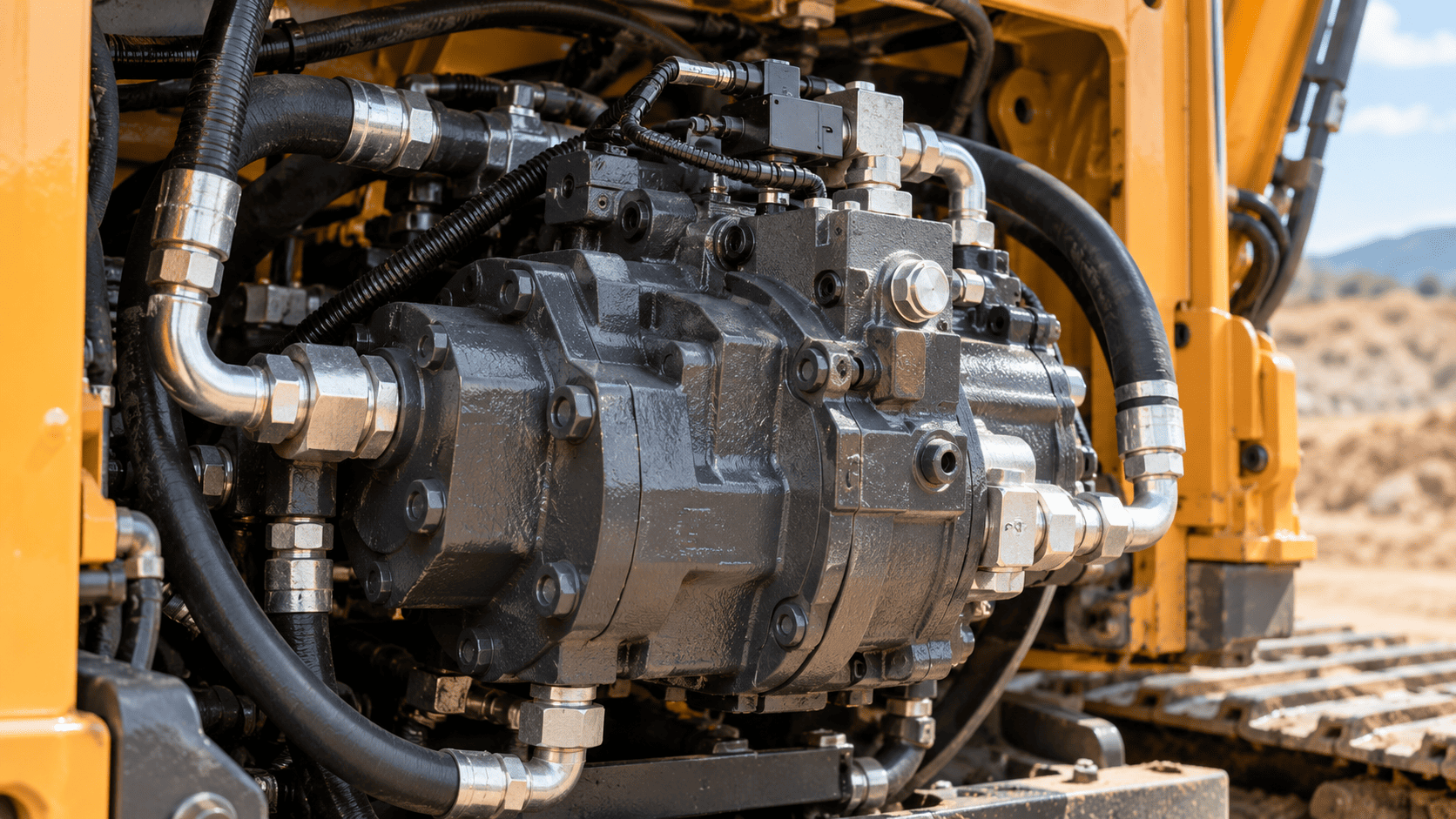
How to detect a faulty hydraulic pump: symptoms, causes, and checks

An excavator that loses power, operates more slowly, or begins making strange noises may be showing early signs of a hydraulic problem. However, these issues do not always mean the hydraulic pump is faulty. In this guide, we explain the most common signs, their possible causes, and the checks that should be performed before replacing a pump.
Continue ReadingHow to detect a faulty hydraulic pump: symptoms, causes, and checks

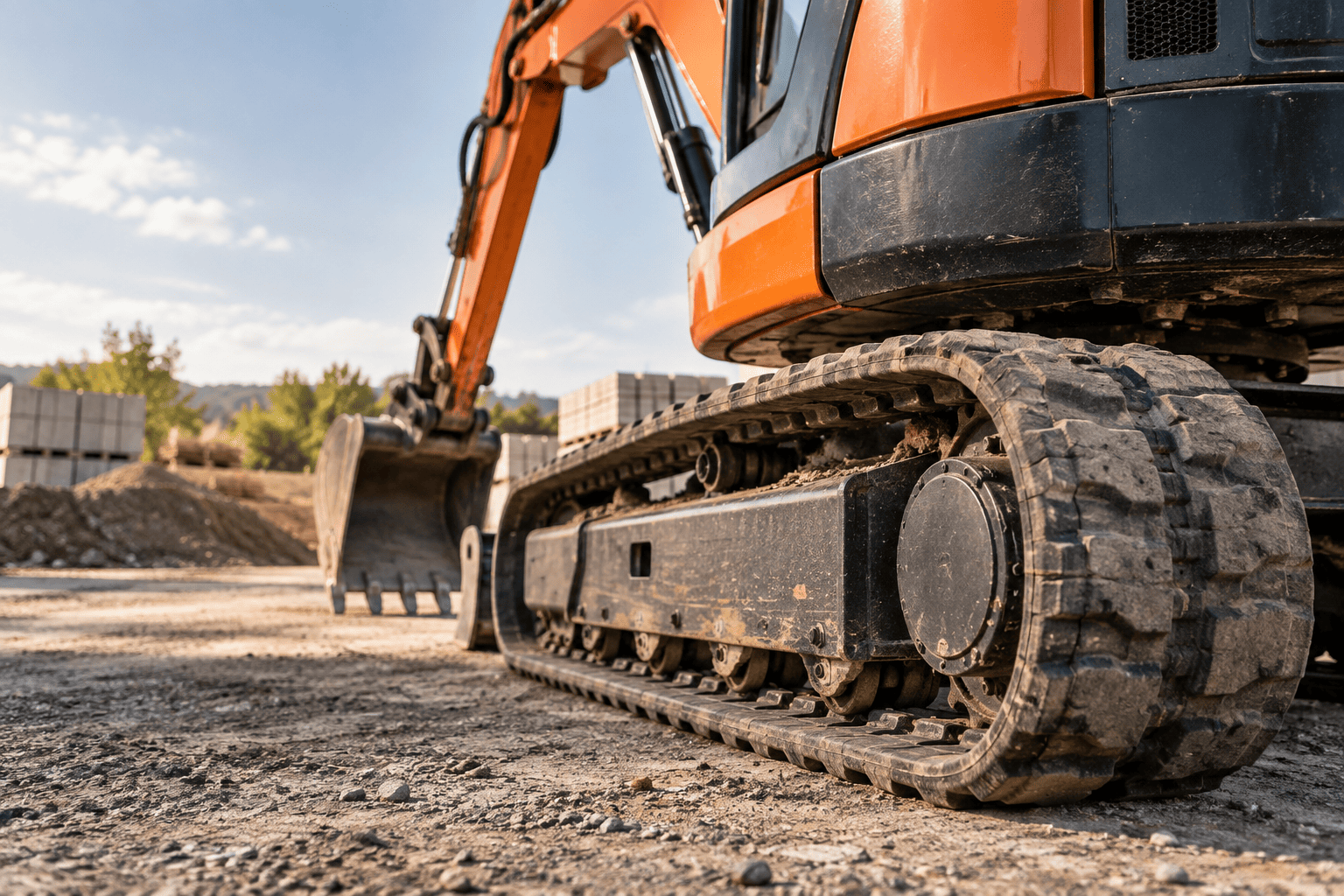
Rubber tracks: how to detect wear and know when to replace them

Rubber tracks are among the undercarriage components that endure the most stress during mini-excavator operations. Cuts, cracks, tread loss, internal damage, or incorrect tension can shorten their service life and ultimately lead to unexpected downtime. In this guide, we explain how to inspect the condition of the tracks, identify signs of wear, and determine when they should be replaced.

Continue ReadingRubber tracks: how to detect wear and know when to replace them

Rubber tracks: how to detect wear and know when to replace them

Las orugas de goma son uno de los componentes del tren de rodaje que más sufren durante el trabajo de una miniexcavadora. Cortes, grietas, pérdida de dibujo, daños internos o una tensión incorrecta pueden reducir su vida útil y terminar provocando una parada inesperada. En esta guía explicamos cómo revisar el estado de las orugas, qué señales indican desgaste y cuándo conviene sustituirlas.

Continue ReadingRubber tracks: how to detect wear and know when to replace them